
Matcha vs Coffee: Which One Supports Calm, Focused Energy?
Caffeine is often the starting point of the day. For some, it arrives as a cup of coffee — bold, immediate, familiar. For others, it arrives as matcha — smooth, measured, quietly energising.
Both contain caffeine.
Both increase alertness.
Yet the experience they create in the body and mind can feel remarkably different.
Understanding that difference begins with how each works inside the body.
Caffeine Content — Is Matcha Stronger Than Coffee?
A typical cup of coffee contains approximately 80–100 mg of caffeine.
A serving of matcha prepared with 2–4 grams contains roughly 60–70 mg.
On a purely numerical level, coffee appears stronger. But caffeine quantity alone does not determine how energy feels.
Matcha contains L-theanine — a naturally occurring amino acid absent in coffee. This compound influences how caffeine is absorbed and experienced.
The result is not simply stimulation, but modulation.
Matcha vs Coffee at a Glance
Coffee
- Rapid caffeine absorption
- Quick spike in alertness
- Higher likelihood of jitters
- Common midday crash
Matcha
- Gradual caffeine release
- Steady, sustained clarity
- Reduced overstimulation
- Longer-lasting focus
The distinction lies in delivery, not just dosage.
The Role of L-Theanine in Calm Energy
L-theanine is associated with relaxed alertness. When combined with caffeine, it encourages a steadier cognitive state — often described as focused yet composed.
Rather than activating the nervous system sharply, matcha supports a smoother rise in attention.
For those building an intentional rhythm around energy and focus, our complete guide to building a daily matcha ritual explores how preparation and presence influence the overall experience. Energy is not only biochemical. It is also behavioural.
Focus, Clarity and Cognitive Flow
Coffee heightens alertness quickly.
Matcha supports sustained attention.
Because the caffeine–L-theanine combination promotes a more stable mental state, many people prefer matcha for:
- Deep work
- Creative sessions
- Study periods
-
Meditative practices
The sensation is less sharp, more aligned.
Digestive Comfort and Overall Balance
Coffee can be acidic and may feel harsh on sensitive stomachs.
Matcha, when properly prepared, is often gentler. It also contains naturally occurring catechins — antioxidant compounds studied for their role in cellular protection.
For those prioritising long-term balance over short bursts of intensity, this difference becomes meaningful.
Can Matcha Replace Coffee?
For some, yes. For others, not entirely.
The transition often happens gradually — replacing one cup of coffee with matcha in the morning or early afternoon.
The decision is less about elimination and more about preference:
Do you want energy that arrives quickly?
Or energy that unfolds steadily?
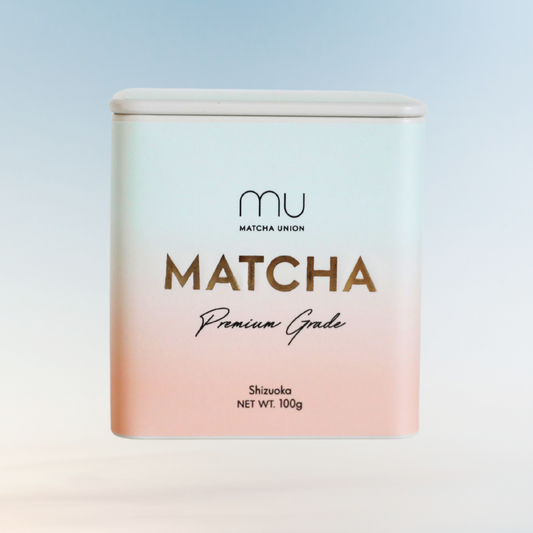
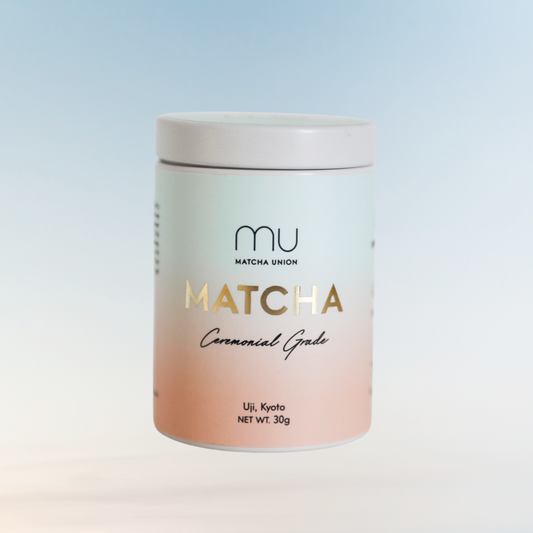
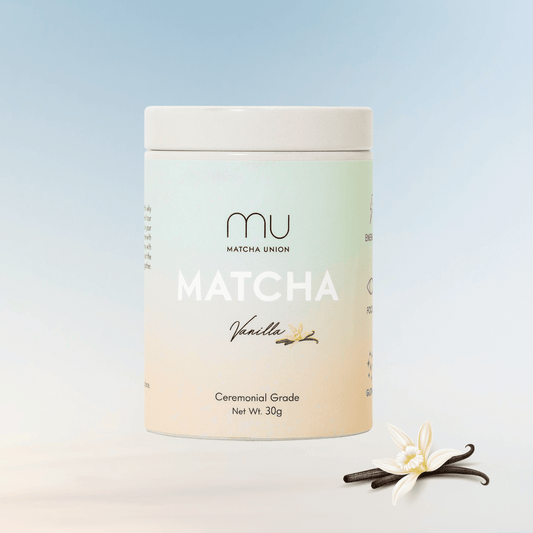
For those exploring matcha as a smoother alternative, ceremonial and premium options can be found within the Matcha Powder Collection.
Choosing the Energy That Suits You
Coffee and matcha both offer stimulation.
Only matcha pairs stimulation with modulation.
For those seeking clarity without agitation, energy without crash, and focus without restlessness, matcha offers a different rhythm — one that supports composure as much as productivity.
It begins with a single, intentional bowl.
Frequently Asked Questions
Does matcha contain more caffeine than coffee?
Coffee generally contains slightly more caffeine per serving, but matcha delivers a steadier release due to L-theanine.
Why doesn’t matcha cause jitters like coffee?
L-theanine influences how caffeine is absorbed, promoting calm alertness rather than sudden spikes.
How long does matcha energy typically last?
Many people experience stable energy for several hours without the sharp crash associated with coffee.
Is it safe to drink matcha daily?
In moderate amounts, matcha can be incorporated into a consistent daily routine.